APIニュースレター 登録
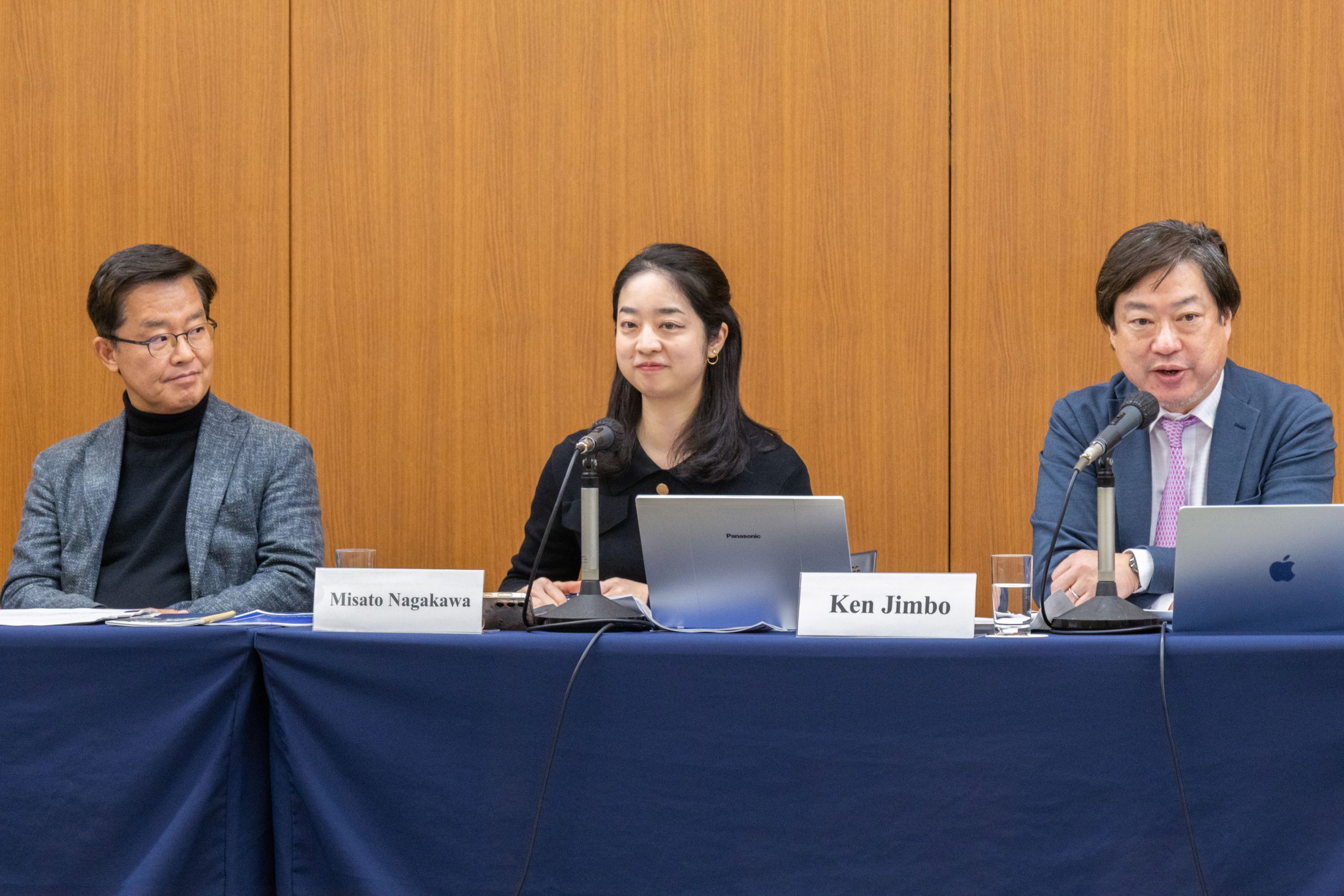
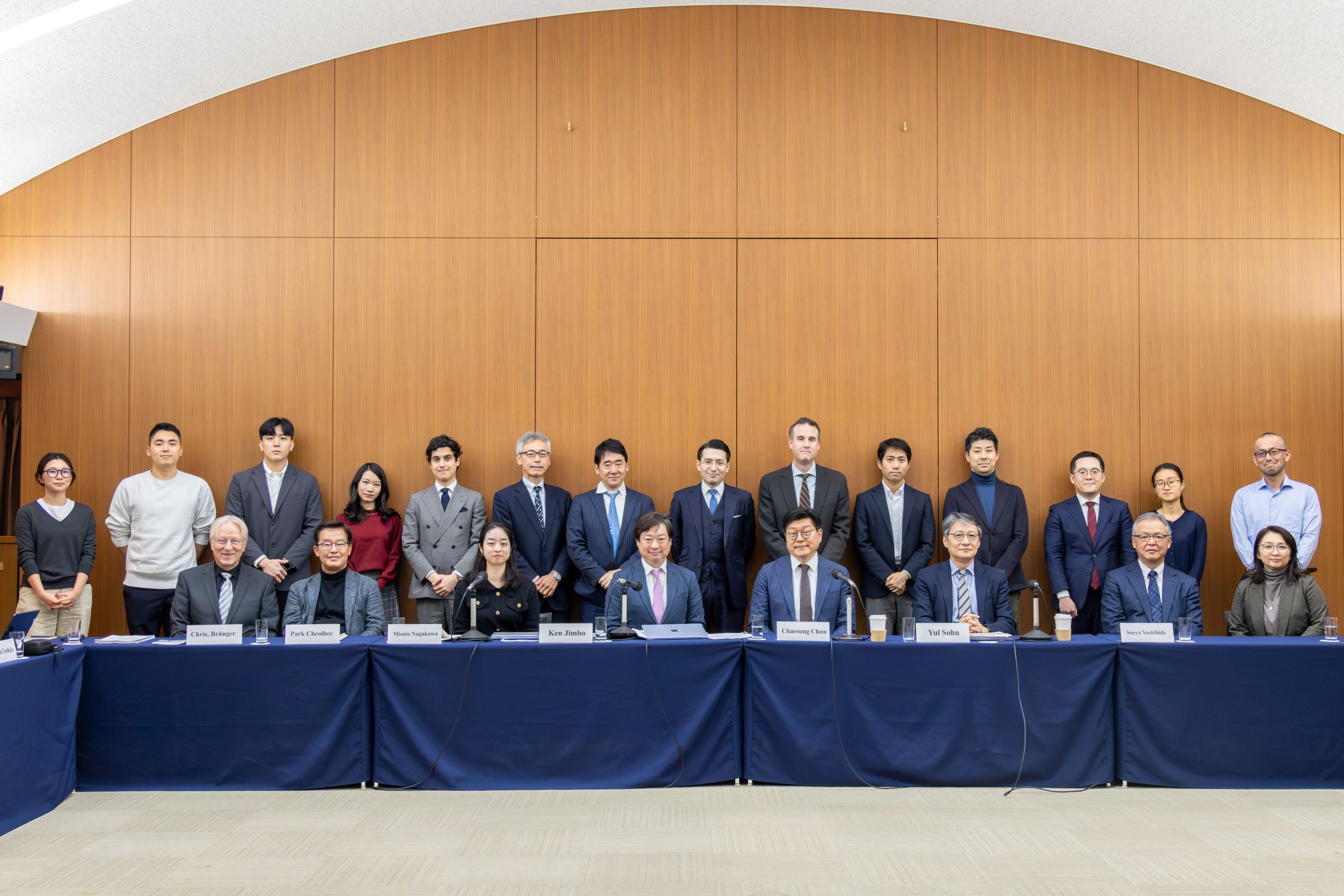
The Asia Pacific Initiative (API) held a roundtable on December 22, 2025, welcoming East Asia Institute (EAI) Chairman Chaesung Chun and Distinguished Fellow Yul Sohn.
The purpose of this roundtable was to report and discuss the results of the “First Japan–U.S.–Korea Public Perception Survey,” jointly conducted by API, EAI, and the Korea Economic Institute of America (KEI).
The opening session emphasized that this survey provides a crucial foundation for understanding public opinion trends in each country and building future strategic relationships, thereby sustaining the cooperative partnership among Japan, the U.S., and Korea. During the reporting segment, Mr. Jimbo from API and Mr. Sohn from EAI took the stage to present the analysis results from their respective perspectives.
The first half of the session focused primarily on Japan-Korea relations, including comparative reports on both countries’ perceptions of the United States. Regarding the current state of Japan-South Korea relations, a divergence in perceptions was highlighted: while positive trends in South Korean sentiment towards Japan were observed, Japan maintained a different trend. Although favorable evaluations of cultural exchanges and optimistic outlooks for the future were noted in some areas, historical and political factors remain deeply rooted concerns. It was emphasized that future developments under the leadership of both nations warrant close attention. Regarding the situation in Taiwan, public opinion in all three countries clearly recognized the security risks involved. However, a common stance emerged, prioritizing diplomatic adjustments over military involvement as the solution.
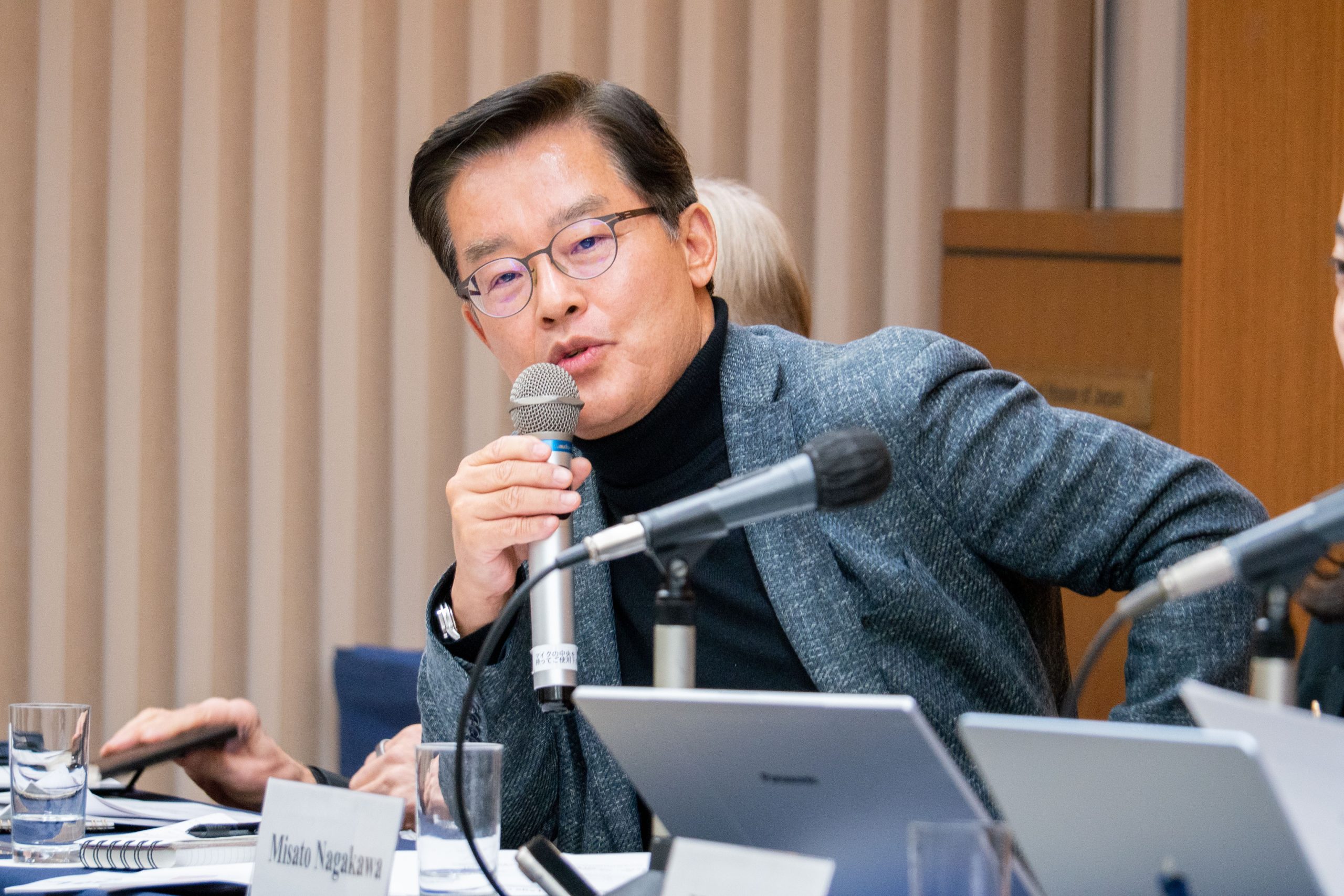
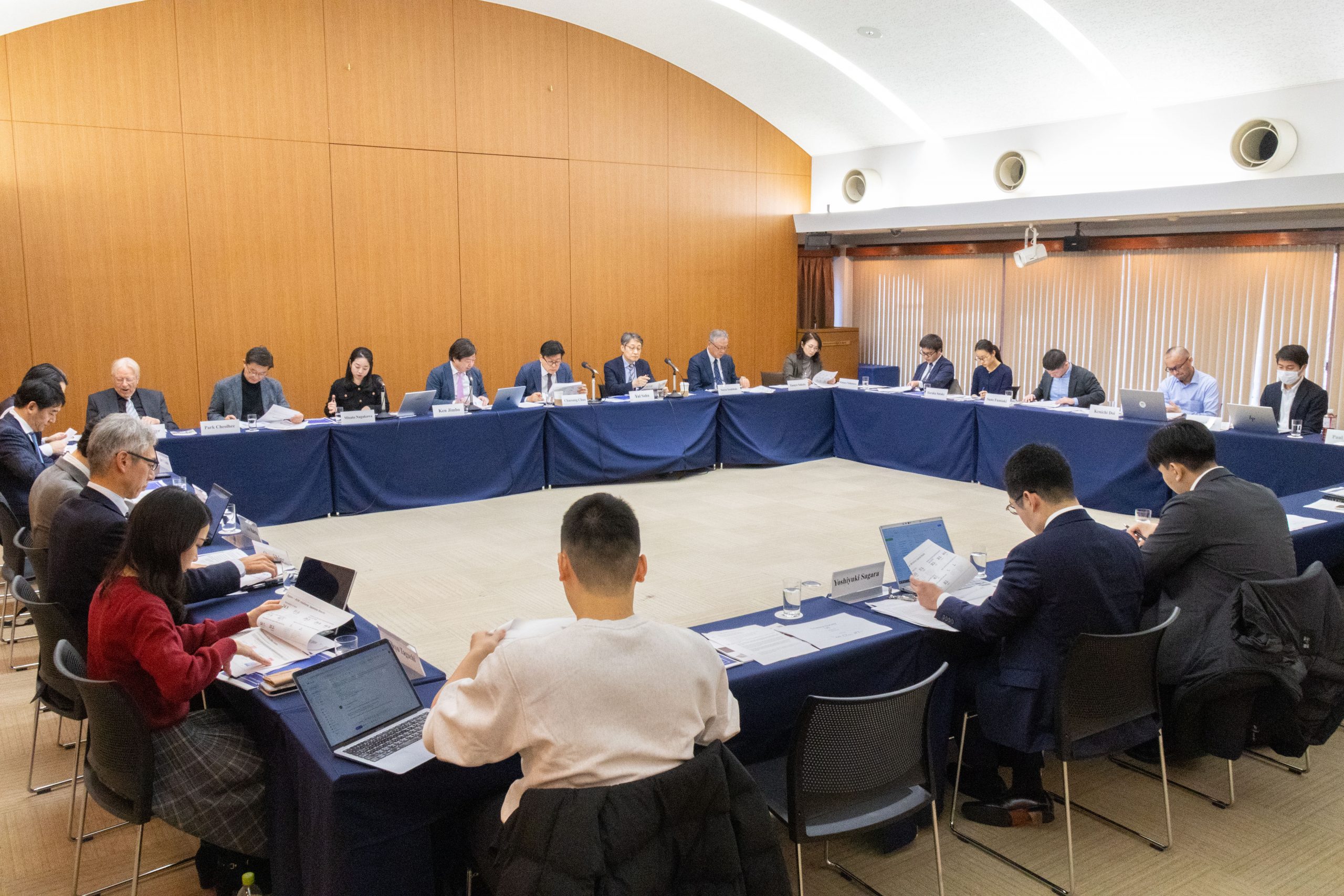
The subsequent discussion session featured a lively Q&A involving participants, leading to multifaceted debates ranging from societal perceptions between Japanese and Korean citizens to approaches toward relations with China and Taiwan. This dialogue reaffirmed that the survey could serve as an indicator that sustainable Japan-U.S.-Korea cooperation is grounded in societal mutual understanding and public sentiment, extending beyond discussions among diplomatic authorities.
This roundtable welcomed a broad range of participants, including not only experts and researchers but also students and members of the business community. It served as a valuable opportunity not only to deepen the future potential of trilateral cooperation but also to promote mutual understanding across multiple dimensions—including politics, history, and culture—thereby strengthening the future partnership among the three nations.